
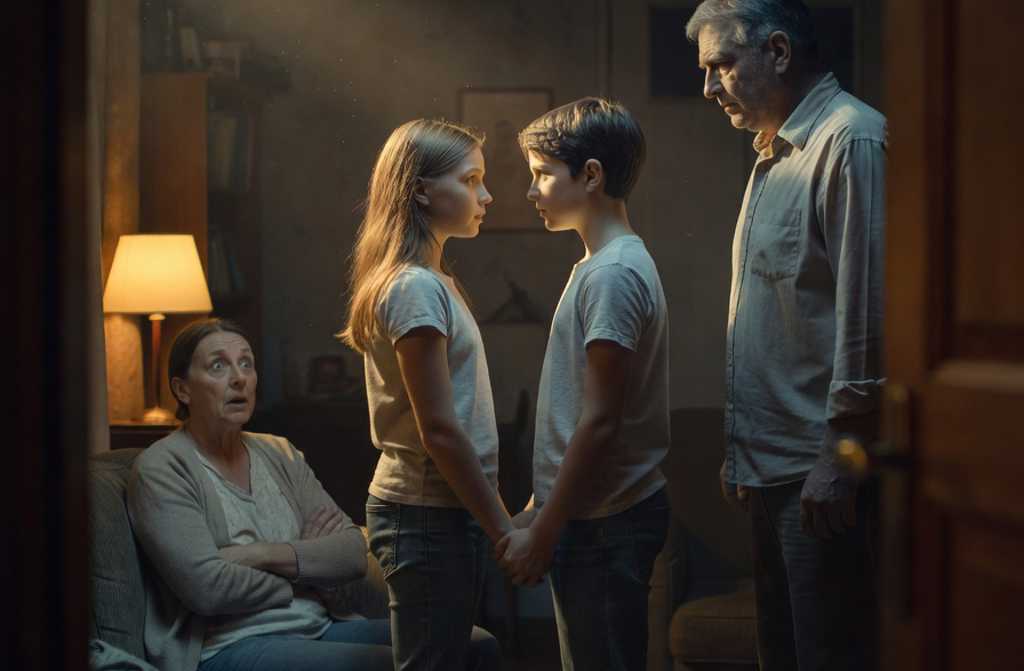
You know, there was this family in Vilnius, and their story really stuck with me. It started one evening when Aistė and her brother Mantas were heading up the stairs in their apartment block. Suddenly they heard a woman’s voice shouting from behind a door, loud enough for the whole entrance to hear: “What’s wrong with you again?! How much longer can this go on?! I’ve had enough of all this!”
They froze right there like they’d hit an invisible wall. Their eyes met for a second, and no words were needed. They both got it without a sound: time to go. Sighing together, they turned around and quietly walked away from the building. No chance they were heading back to the flat that night.
Who’d want an evening listening to nonstop parent fights? Not them, for sure. The kids headed straight to the neighboring entrance where their grandma Kotryna lived. Lately her place had turned into their real safe spot. Before it was just weekends, but now they crashed there almost every night.
The vibe at their parents’ had become totally unbearable. The mom and dad yelled at each other like nothing else mattered, and worst of all they kept pulling the kids into it.
Like the mom would spin around to Aistė and demand, “Tell me, I’m right, aren’t I? You agree with me?”
Or the dad wouldn’t even wait and turn to Mantas, “No, I’m right here! Back me up!”
Aistė and Mantas just kept quiet. They didn’t want to pick sides or get stuck in the middle of this endless mess. All they wanted was some peace and quiet, the kind they found at grandma’s.
These scenes happened day after day, like a scratched record nobody dared to stop. The kids got sharp at spotting the signs: the voice tone, sudden movements, how the parents glanced at each other. It all screamed time to leave. What kid wants to live in that constant tension where any chat can blow up into a full-blown fight in seconds?
They couldn’t figure out what kicked off this whole disaster. Their family was never picture-perfect like in ads, but the parents used to work things out. Arguments popped up, sure, but they ended in calm talks. Mom might frown, dad might raise his voice a tad, but half an hour later it was sorted. Everyone sat at the table, sipped tea, and planned the weekend.
Then about two years back everything flipped after their shared vacation. It was like someone swapped the old parents for versions who fought over the smallest stuff. Dirty mug on the table? Long rant about carelessness and disrespect. Shirt on the wrong hook? Sarcastic digs about keeping the house in order. Teaspoon left in the sink? Basically a crime worth a drawn-out lecture!
One night Aistė sat in grandma’s kitchen stirring her tea without thinking. She stayed quiet a while, watching the swirls in the cup, then asked with real bitterness, “How does this even happen, grandma? Everything changed after their trip together. What went on there?”
Grandma Kotryna paused, set her cup down, and gently touched Aistė’s hand. She only had guesses about the family rift too, and those guesses didn’t sit well with her.
“The grown-ups will sort it themselves,” she said softly, keeping her voice steady. “Sometimes folks need time to see the best way forward.”
Aistė nodded but her eyes showed she wasn’t buying it fully. She sensed grandma was holding back but didn’t push. No point if they still saw her as a kid and wouldn’t share the real stuff.
“We can’t handle these yells anymore!” Mantas burst out, sounding desperate. “Can’t focus on lessons or read a book! I don’t even remember the last time we sat down as a family. If being together is this hard, they should just split upit’d be easier on everyone!”
The words flew out on their own, but they held the truth of those last months. Mantas spoke for both of themhe knew his sister felt it too. No quiet at home anymore: mom snaps something, dad shoots back irritated, and boom, another row with nowhere to duck.
“Mantas…” grandma flustered. She set her knitting aside, studied her grandson, and slowly shook her head. “Did you think about what happens if they split? You’d get divided. Ready to live apart from Aistė?”
“We’ll stay with you!” Aistė jumped in, eyes pleading. “We’re here almost every night anyway! You don’t mind, right?”
Grandma Kotryna went still. She got how the grandkids feltsaw the weight on them, how worn out they were from the fights. On one side, the kids would be safe here in her calm place, doing homework without shouting, reading in peace, feeling looked after. She loved them to bits and was ready to wrap them in care.
On the flip side, what about their parents? How to explain the kids didn’t want to live at home? Would they even agree? And if they did, how would it change things with the kids? Might this end up breaking ties completely?
“Let’s not rush,” she said with a big sigh. “I’m always glad to have you, you know that. But first let’s try talking to your mom and dad. Maybe together we can sort it out.”
“Don’t worry, we’ll handle talking to them,” Aistė said confidently, smiling. Grandma was nearly there, and that was huge! “Just don’t turn us down, please! We really can’t stay there anymore! It’ll be better for them apartotherwise one day they might actually hurt each other! I saw dad almost swing at mom yesterday… He didn’t hit, honestly! But he was right on the edge.”
Aistė went quiet, picturing that awful moment. She’d gone for water and stopped in the kitchen doorway: dad half-turned to mom, his hand shot up, mom ducked on instinct. He dropped it a second later, but for Aistė that second felt endless.
“Grandma, say yes!” Mantas backed his sister. He stepped closer, grabbed her hand like he feared she’d say no. “We’ll help with everything around the house. Just don’t send us back. They barely notice us! Yesterday I told dad about the parent meeting. Guess what he said? ‘Go to mom!’ So I did. Bet you know what mom answered?”
“Go to dad?” grandma asked quietly, already sure.
“Spot on!” Mantas gave a bitter laugh. “Then they argued two more hours over who goes. Sat in separate rooms yelling down the hall. I just stood there listening.”
“And I asked them to sign the form for the museum trip,” Aistė added, eyes down. Her fingers twisted her sleeve edge. “Now I’m the only one in class missing out. Neither signed. Instead they fought againmom yelled it’s dad’s job, dad insisted mom handles school stuff.”
Grandma Kotryna watched the grandkids and saw how drained they looked. Not just regular kid tirednessthe kind that piles up over months when days blur, family warmth replaced by fights, support by indifference.
“It’s always this way,” Mantas sighed, shoulders slumping. His voice sounded worn, like he’d repeated it a hundred times. “Any ask from us turns into a fresh fight. We don’t even want to go home. Couple nights ago we got in at elevenand think they scolded us? Nope! Just sent us to bed without asking where we’d been. Then they blamed each other for ages about bad parenting.”
The teens sighed together again. Lately they’d seriously considered divorce as the only out. But the idea of splitting from each other scared themit’d happen for sure after a split. One with mom, one with dad, their tight bond shrinking to rare weekends.
They weighed options whispering at night alone in their room. Once Mantas joked about running awayjust grab bags and go wherever. Said it smiling to ease things, but Aistė took it dead serious. Her eyes flashed a second, then she said quietly, “What if we really leave? Even for a couple days…” Right then they both saw how bad things werethe thought of running didn’t feel so wild anymore.
Then it hit: grandma! Why not move in with her? The idea popped for both at once, like synced thoughts. Aistė spoke first: “Let’s ask grandma to let us live here? She won’t yell or fight. We won’t have to hear these endless rows…” Mantas jumped right in: “Yes! She’s kind, always backs us. And her flat’s bigwe’ll fit fine.”
They started picturing the new setup: easy breakfasts, quiet homework time, evenings with board games at grandma’s. No yelling, no blame, no hiding in their room to dodge the heat. Hope flickered in their hearts for the first time in ages. Let the parents handle their own stuff, and the kids would finally get some peacethat’s what Aistė and Mantas imagined living with grandma…
Then one evening the twins stood in front of their parents and said firmly, “Mom, dad, we need a serious talk.” They waited till both were home and walked straight into the living room. Aistė gripped Mantas’s hand tightit helped her stay steady. “But first promise to hear us out fully before you say anything.”
Mindaugas looked up from his phone, surprised. Rasa, sorting stuff on the couch, sat up quick. Their faces said the kids had dropped something crazy.
“This is all your doing with the raising!” she snorted, arms crossed. “Kids setting terms for us now! Like we owe them reports!”
“And look who’s talking!” Mindaugas snapped, dropping the phone. “I’m always working to keep this family going. You were with them nonstop! What did you teach them? Why are they bossing us around?”
The twins glanced at each other. They expected thisthe talk sliding straight into blame games. But no backing out.
“Enough!” Aistė said, voice shaky with tears. She stepped up, trying to sound clear and calm even as everything inside shook. “Mantas and I decided you two need to divorce.”
The room went dead silent. Rasa froze mouth open, Mindaugas slowly stood from the couch.
“Now that’s news!” mom’s voice turned sharp. “Aistė, you’re way too young to tell adults how to live! And what else did you two ‘decide’? Maybe split the flat for us while you’re at it?”
“If you don’t divorce, we’ll go to child protection services,” Mantas squeezed his sister’s hand for strength. His voice stayed firm though he half-doubted saying it out loud. “Then dad, you could lose your job. Your company doesn’t like scandals, right? You said reputation matters most.”
“And you, mom,” Aistė went on, staring right at her, “neighbors will stop respecting you. Won’t even talk to you! Everyone knows how you yell at each other, and we’ll fill in the details!”
“They’re threatening us! Look at them!” Rasa finally got out, eyes flicking between the kids. “These are our children! How can you treat us like this?”
“We’re not threatening,” Mantas said quiet but sure. “We just want you to get it: this can’t go on. We’re exhausted! Tired of the yelling, you not listening, every little request turning into a row.”
“You divorce, move out, and we’ll live with grandma,” the kids said together like they’d practiced. “Better for everyone: us calm, you no constant fights. We don’t want to be stuck between you like between two fires.”
The parents just froze. For once they had no comeback. Normally they’d jump in arguing, cutting each other off, pointing fingersbut now both seemed stuck.
Their thirteen-year-olds were acting totally out of character! Aistė and Mantas stood side by side holding hands, facing them steady without the usual shyness. Talking about heavy stuff the adults tried to ignore.
The couple had thought about divorce plenty. But the same question always stopped themwho gets the kids? Splitting twins felt impossiblethey were so close, did everything together, backed each other up. Parents couldn’t picture tearing them apart, separate houses, only weekends together.
Grandma option never crossed their minds before. Maybe too wrapped in their own grudges and complaints. But hearing the kids now, Mindaugas and Rasa wondered: what if this works? Grandma adores them, big flat, always welcomes them… Could this fix at least some issues?
“I’ll call mom,” Mindaugas finally muttered through his teeth, voice thick. “If she agrees…”
He didn’t finish. Rasa cut in sharp, her voice so tired it surprised even her:
“Then we’ll stop torturing each other for good. Call her. I’ll be glad not seeing your face every day.”
Her words hung there. She didn’t mean to sound that harsh, but years of piled-up hurts just spilled out.
“And I’ll be thrilled!” Mindaugas shot back, masking the sting with a wry tone.
No real anger in his voicejust a sad smile at how their life had turned. He grabbed his phone and dialed slowly. During the rings both looked away, avoiding eyes. They didn’t know where this led, but sensed the line might already be crossed…
That day the Jankauskas family made a big call. It kicked off with Mindaugas’s long talk with his mom. Grandma Kotryna listened close, no interrupting, just a few questions here and there.
When he finished, quiet fell. She sighed deep and said, “If you both see this is better for the kids, I’m in. They’ll be safe here, I’ll look after them.”
By evening the couple sat in the kitchenfirst time without yelling or jabs. They faced each other and hashed out details. Step by step they agreed: divorce was the only sensible fix. Kids move to grandma’s, parents send money monthly for their care.
Nobody planned to ditch the kids. Both swore they’d visit weekends but different days to keep contact low.
“I’ll come Saturday mornings, take them out, you do Sunday,” Mindaugas said tired, and Rasa nodded. “Keeps it simple. Main thing kids don’t feel left behind.”
Goal was minimal talks to dodge new fights. They promised no badmouthing each other around the kids, no pulling sides, no airing stuff in front of them.
“We’re still their parents,” Mindaugas said. “Should stay that way even if we’re not spouses anymore.”
Time proved it worked great. Kids finally relaxed and lived like regular teens. Aistė joined a drawing groupshe’d wanted that forever but worries ate the time before. Mantas took up football, made buddies on the team. They hung out again: city walks, cinema, school chats without dreading a blowup.
Studies steadied too. Quiet spot for work, no yells breaking focus. Homework done easy, no stress, grades jumped. Teachers noticed: “You two are so focused now, kids! Keep going!”
Life settled into a steadier groovenot perfect, but calm and steady. Kids stopped hiding in their room, jumping at voices, stressing every move. They just lived, like teens who lucked into support during tough times…
Five years on, the Jankauskas family ran smooth and quiet. Aistė and Mantas settled into the rhythm: studies, groups, friends, cozy nights at grandma’s. Parents still showed on their daysgifts and attention, no gripes. Over time they’d learned to chat polite and low-key, no old anger flares.
First real meet between the exes happened at the kids’ graduation night. School threw a big evening, both parents came. They started cautious, seats at opposite ends, but ice slowly melted.
When dancing started, Mindaugas walked over to Rasa: “Want to dance? Remind ourselves of old days.”
She paused then nodded.
Afterward they sat long in the school yard watching grads laugh by the fountain. Talk flowed easyfirst kids, then past.
They chatted plenty that night, recalled good marriage bits, kept it decent. Focused on positives that once tied them, not old hurts. Twins watching from afar felt happy for them. Still hurt seeing two closest people treat each other like near-strangers.
But out of nowhere, big shock. Next day Mindaugas and Rasa took the kids to a cafe. Over tea they held hands, glanced at each other, and Mindaugas grinned wide: “Kids, your mom and I talked and decided to remarry. These years showed our feelings never died! We still love each other and want our family back.”
He sounded thrilled, like sharing the best news ever. Rasa beamed, waiting for cheers.
Twins locked eyestheir faces fell fast. Doubt hit Aistė’s eyes, Mantas balled fists under the table. Same mistakes again! What were parents thinking? Could they share space without blowups?
“You for real?” Aistė managed.
“Absolutely,” Mindaugas said sure. “We’ve both grown. Learned to really listen. Want to give us another shot.”
Kids stayed quiet. Mixed feelings swirled inside: hope the parents truly shifted, but dread of repeating old pain.
They didn’t argue against it though. Didn’t even comment, which stung the parents bad. Rasa looked confused: “What, not happy? We figured you’d be glad for us.”
Twins just shrugged at each other. What to say”Don’t! Don’t wreck it again!”? Words wouldn’t come. Didn’t want to seem cold but couldn’t fake joy either.
Talk dragged awkward till end. Parents pushed plans, kids nodded polite, minds elsewhere. Walking home Aistė told Mantas low, “Hope they know what they’re doing.”
Mantas just sighed…
“So we’re heading to the capital?” Aistė opened her laptop to check uni sites. “Far from this craziness. I can already picture how this circus wraps up!”
“Of course we are,” Mantas said solid, voice carrying grown-up weariness. He dragged a hand through his hair like shaking off recent months’ load. “They’ll manage peaceful a month, tops two. Then back to yells, door slams, blame… I won’t be hostage to their mess anymore. Don’t want guessing every morning their mood and who catches the next complaints.”
He paced, absently stacking books. Same thought looped: why do adults meant to show wisdom and steadiness act like wild teens? Why repeat the same dumb moves instead of fixing things?
“We’ve got to go,” he repeated at the window. Twilight painted the city soft orange outside. He stared out like scouting his future. “Far enough their fights can’t touch us. Let them deal alone. We’re not their shrinks, not go-betweens, not shields. Our lives, our dreamswe won’t let another parent storm wreck them.”
“When do we apply?” Aistė asked calm.
“Tomorrow,” Mantas said no pause. “Lock it in so we don’t back out.”
She nodded silent, eyes on screen. Vilnius uni pages scrolledshe’d been checking programs, dorms, job odds after for a week. Notebook lists grew: pros cons per choice, docs needed, deadlines, contacts.
“Key is studying quiet, no distractions from their drama,” she said low, wrapping thoughts. “Good we’ll be this far.”
“Right,” Mantas agreed, dropping beside her. He leaned in reading lines. “When they restart blame games we won’t hear. Let them call, moan, drag us to ‘family talks’we’re out. Their ‘second chance’ idea,” he laughed bitter, “their pick, not ours.”
Rasa and Mindaugas went through with the second wedding anyway. This time no big bash: no extra costs, no spotlight, and honestly no urge for anything flashy. Just a simple registry office thing and dinner with closestparents, few friends, kids.
Photos from that day showed them truly happy. Smiles, hand-holding, tender looks. Intertwined fingers, soft gazes, gentle touches. Seemed hurts gone, separation years helped, they knew what they wanted, bright future ahead. Kids eyeing the shots wondered: maybe this time it sticks?
But… no. First weeks after were weirdly calm: spouses more attentive, “thanks” more often, no nitpicking. Old habits crept back though. After a month raised voices returned. Started with quiet barbs: “Didn’t clean up again?” “Why no heads-up on being late?” “Could help since you’re home.”
Then full fights. Over nothing: wet towels in bath, forgotten bread, TV too loud… Words cut deeper, voices climbed, fights closer together.
Two months in, just like Mantas called it, things boiled over. One night a grocery argument exploded. Mindaugas lost it, hurled a cup at the wallcrash, shards everywhere. Rasa grabbed a plate, smashed it down hard. Breaking dishes rang through the flat.
After scenes like that parents always rang the kids. Same start: one dials barely breathing post-fight, dumps all the gripes.
“Can you believe what he said today?” Rasa would cry to Aistė on the line. “He won’t even try understanding me!”
“Son, you gotta get meshe’s out of control,” Mindaugas told Mantas agitated. “I try, really, but she hunts for excuses!”
Aistė and Mantas learned to cut these off gentle but firm. No long back-and-forths, no refereeing right or wrong. Answers short, steady.
“Mom, in class now, call later,” Aistė said calm, clock-watching: twenty minutes till lecture but no time for another vent.
“Dad, urgent work, weekend talk,” Mantas replied eyes on screen. Knew letting them ramble meant an hour plus calming duty after.
“Later” and “weekend” always slid. Kids made excusesstudies, side job, friendsand calls thinned. No guilt: just guarding their peace and time, knowing they couldn’t fix what was between mom and dad.
Twins had their own full life nowbusy, meaningful, distant from parent storms. Days full of their stuff, not bracing for the next wall fight.
Aistė dove into psychology studies. Loved unpacking how minds work, why people do what they do, helping folks in tough spots. Third year she volunteered at a center for teens from rough homes. Led groups there, helped express feelings, find exits from jams. Saw her own past echoes in themand gave what she’d missed: attention, support, feeling heard.
Mantas clicked with IT. Early on programming hooked himthe code logic, building systems, cracking hard problems. Hours at computer, new languages, student hackathons. Fourth year his team placed third in a regional mobile app contestthat boosted him, confirmed the path. Part-time at a small IT firm, he proved reliable quick. Real projects taught teaming, time management, creative fixes.
They planned futures ignoring parent chaos. Aistė eyed her own practice helping families connect. Mantas eyed his business. Talked plans over cafe tea, sketched ideas, noted in books. In those moments felt anchored: a way forward, a life theirs alone.
When Rasa and Mindaugas tried pulling them in againteary calls, dumping how awful things are, how they don’t get each otherthe twins stayed calm and clear. They’d prepped how to handle without snapping or slipping into old mediator spot.
“Enough, dear parents, handle your own stuff,” Aistė said firm. “Your life, ours.”
“But you’re our kids!” Rasa sobbed. “You must back us!”
“If you acted normal instead of like kids, we’d back you,” Mantas said straight. “You messed up remarrying and keep hurting each other. Can’t share space right, so why drag it out? Divorce and split already.”
Words might sound harsh… but the brother and sister just wanted quiet lives.


